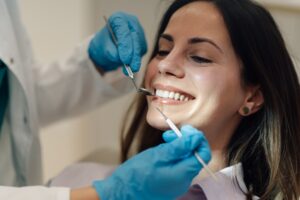

Porcelain dental veneers are thin shells of ceramic bonded to the front of teeth to improve their color, shape, and alignment. This guide explains who benefits from veneers, the step-by-step process, types and costs, care and risks, and when you might prefer a prosthodontist for treatment. Read on to learn whether porcelain dental veneers are right for you and what to expect from consultation through long-term upkeep.
What are porcelain dental veneers?
Porcelain dental veneers are custom-made ceramic shells that cover the visible front surface of a tooth. Porcelain mimics natural tooth enamel with translucency and strength. Veneers are bonded with dental cement to change a tooth’s color, length, shape, or minor alignment. They’re primarily cosmetic but can also protect worn or slightly damaged enamel.
Who is a good candidate for porcelain dental veneers?
Common cosmetic concerns
Good candidates include people with stained or discolored teeth that don’t respond to whitening, small chips, minor gaps, uneven or misshapen teeth, and mild crowding where orthodontics is not desired.
Oral health and preparation needs
Healthy gums and sufficient enamel are needed for reliable bonding. Any active decay or gum disease must be treated first. Sometimes fillings or gum care are required before veneers can be placed.
When veneers may not be appropriate
Veneers aren’t ideal with active tooth decay, severe bruxism (clenching/grinding), or very large existing restorations. In those cases, crowns, orthodontics, or implant-based solutions may be better.
Types of veneers and why choose porcelain
Porcelain versus composite resin: porcelain offers superior aesthetics, greater stain resistance, and longer lifespan but at higher cost. Composite bonding is cheaper and repairable in one visit but less durable. Ultra-thin or no-prep porcelain veneers are available for minimal enamel removal and are used when changes are modest and tooth anatomy allows.
The porcelain dental veneers process: step-by-step
Consultation and planning
Clinicians use digital imaging, shade selection, and mock-ups to preview results and set goals for smile design.
Tooth preparation and impressions
Preparation often involves minimal enamel removal. Dentists take impressions or 3D scans and may place temporary restorations while the lab fabricates the final veneers.
Fabrication: lab vs in-house
Lab-made porcelain offers high esthetic control; some practices use same-day CAD/CAM systems for fast, precise results. Both aim for accurate fit and shade matching.
Bonding and final adjustments
Veneers are cemented, bite is checked, and small adjustments are polished. Patients receive post-placement care instructions.
Care, lifespan, and cost factors
Brush and floss daily, avoid biting hard objects, and keep regular dental checkups. Porcelain veneers typically last 10–15 years with good care; they can be replaced or repaired if chipped. Cost depends on number of veneers, material quality, lab or in-house fabrication, and any preparatory treatments like gum work.
Risks, complications, and how they’re managed
Common issues include temporary sensitivity, chipping, debonding, or gum changes. Dentists can rebond or repair small chips; nightguards help manage bruxism. Proper case selection lowers complication risk.
Porcelain dental veneers compared to other cosmetic options
Whitening treats color only; composite bonding is quicker and cheaper but less durable; crowns cover more tooth structure for heavily restored teeth; orthodontics (clear aligners) correct alignment without altering enamel. Veneers are best when you want comprehensive cosmetic change in color, shape, and minor alignment.
Why choose The Dental Specialists for porcelain dental veneers
If you’re considering porcelain dental veneers in Newton, MA, The Dental Specialists offers prosthodontic expertise led by board-certified Dr. Noah Orenstein. The team uses 3D scanning, CEREC and in-house fabrication for precise esthetic planning and faster turnaround, plus financing to help access care.
FAQ / Quick takeaways
Q: Are porcelain dental veneers permanent? A: Veneers are long-lasting but not permanent; they usually need replacement after 10–15 years. Q: Do they hurt? A: Most patients report little pain; mild sensitivity can occur after preparation. Q: How long until I see results? A: Initial mock-ups can show results at consultation; final veneers are seen after fabrication, often within a few weeks or sooner with same-day systems. Q: How much do they cost generally? A: Costs vary widely by material, number of teeth, and lab vs in-house work. Discuss estimates during your consultation.