
Implants teeth price refers to the total cost a patient pays to get a dental implant and its restoration. Prices can vary widely because implants include parts, lab work, surgery, and sometimes extra procedures like bone grafts. This quick guide covers what’s normally included, the main factors that change cost, rough price ranges, and practical tips to manage the implants teeth price when you compare quotes.
What Is Included In An Implants Teeth Price
An implants teeth price usually bundles several items: the implant fixture (the metal post), the abutment (the connector), and the crown (the tooth replacement). It also often includes surgical fees, imaging like 3D scans or X-rays, anesthesia or sedation, and follow-up visits. Some practices add lab fees, temporary crowns, or extra procedures as separate line items, so get a clear, itemized estimate.
Main Factors That Affect Implants Teeth Price
Treatment scope: single tooth vs multiple vs full-arch
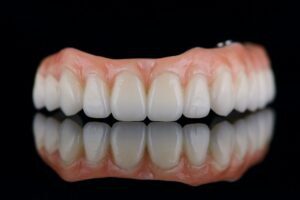
Replacing one tooth with an implant and crown costs far less than replacing several teeth or a full arch. A single implant + crown is a simpler case. Multiple implants or full-mouth solutions need more implants, more time, and often higher lab costs, which raises the implants teeth price.
Bone and gum health
If you need extra work—like a tooth extraction, bone graft, or sinus lift—those procedures add time, materials, and fees. Poor gum health or low bone volume can mean staged treatments and higher total implants teeth price.
Implant components and materials
Implants come in titanium or zirconia, and abutments can be stock or custom. Crowns vary from basic porcelain-fused-to-metal to high-end layered ceramics. Higher-quality materials and custom components increase the implants teeth price but can improve appearance and longevity.
Laboratory vs in-house fabrication
Using an outside dental lab adds lab fees and shipping time. Practices with in-house CEREC or 3D scanning can make crowns the same day, which can lower or shift the implants teeth price and reduce appointments.
Provider training and experience
Highly trained specialists like board-certified prosthodontists or experienced implant surgeons typically charge more. That higher fee can be worth it, as experience often reduces complications, retakes, and long-term costs.
Typical Price Ranges And What They Mean
These are ballpark ranges; actual costs vary by case complexity. Single implant + crown: roughly $3,000–$6,000. Multiple implants: multiply per-tooth costs, though packages or bridges can change per-tooth pricing. Full-arch implant solutions (All-on-4 or similar): commonly $15,000–$35,000 per arch, depending on materials, lab work, and additional procedures. Always treat ranges as starting points, not guarantees.
How To Lower Or Manage The Implants Teeth Price
Ask for a full treatment plan and an itemized estimate. Check if the practice offers in-house crown fabrication or same-day options to cut lab fees. Consider staged treatment if medically and financially appropriate. Ask about financing plans, third-party medical/dental loans, or care-credit options. Verify insurance benefits—some plans cover parts of the work or related procedures.
Why Specialist Care Can Be Worth The Upfront Cost
Choosing a specialist can reduce the chance of complications and need for redo work. Dr. Noah Orenstein is a board-certified prosthodontist in Newton, MA who focuses on predictable implant outcomes. The Dental Specialists use CEREC same-day crowns, 3D scanning, and in-house crown fabrication to improve fit and speed, which can sometimes lower the overall implants teeth price through fewer visits and adjustments.
Next Steps: Getting a Clear Quote for Your Case
Schedule a consult with a specialist for personalized imaging and an itemized estimate. Bring prior records if you have them and ask specific questions about materials, labs, and financing. The Dental Specialists offers financing and patient-centered planning to help you understand the true implants teeth price and choose the right path for your needs.