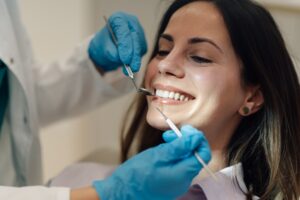

This 2025 primer answers how veneers work in Newton, MA, what to expect during your visit, recovery time, and whether veneers are the right choice for your smile. It’s a short, practical guide that explains the process step-by-step and gives clear next steps you can use at your consultation.
What Are Porcelain Veneers?
Porcelain veneers are thin shells bonded to the front of teeth to improve appearance. They cover stains, chips, small gaps, and minor alignment issues. Unlike crowns, which wrap the whole tooth, veneers cover only the front surface and usually require less removal of natural tooth structure. Compared with bonding, veneers are more stain-resistant and longer lasting, though they cost more. Use this guide to see how veneers work and what they can realistically change about your smile.
How Veneers Work: Step-by-Step
Consultation and digital planning
First, your dentist evaluates oral health and talks about your goals. The visit often includes photos, digital scans, and X-rays to check tooth structure and bite. Many offices create mockups or digital previews so you can see expected results. This step answers the key question: is a veneer the right option for your needs?
Tooth preparation
Preparing a tooth usually means removing a thin layer of enamel so the veneer sits flush and looks natural. The dentist then takes impressions or a digital scan. If needed, temporary veneers protect teeth while the final ones are made. Preparation is conservative for most patients, but it’s permanent—so the team will confirm you understand the plan.
Fabrication — lab vs same-day
Veneers are made of porcelain or high-grade ceramic. Many practices send impressions to a dental lab, where a technician crafts each veneer for color and shape (this takes one to two weeks). Some offices offer same-day ceramic veneers using CEREC or similar chairside milling. Lab veneers can offer fine detail and layered ceramics; same-day options let you leave with final restorations the same visit. Pros and cons include time, cost, and the level of customization.
Bonding and final adjustments
At placement, the dentist cleans and slightly etches the tooth to improve bonding. A strong dental adhesive secures the veneer. The dentist checks your bite and makes small adjustments to shape and color match. The bond is immediate, but you may notice mild sensitivity for a few days.
Follow-up visits
You’ll usually return for a short check within a few weeks to confirm fit, comfort, and bite. Small adjustments are common and simple to complete.
Who Is a Good Candidate?
Good candidates have healthy gums, enough enamel for bonding, and realistic cosmetic goals. Veneers work well for stained, chipped, or slightly crooked teeth. They are not the best option for severe misalignment, active decay, very weak teeth, or heavy grinders (bruxism). Alternatives include clear aligners, crowns, or composite bonding depending on your needs.
Risks, Longevity, and Aftercare
Common issues include temporary sensitivity, small chips, and possible color mismatch if surrounding teeth change color. With good care, porcelain veneers typically last 10–15 years or longer. Lifespan depends on habits, bite forces, and maintenance. Key aftercare tips:
- Brush twice daily with a non-abrasive toothpaste and floss daily
- Avoid biting hard objects (ice, pen caps, hard candies)
- Use a nightguard if you grind your teeth
- Keep regular dental checkups and cleanings
Cost Factors and Timeline
Price depends on the number of veneers, lab vs same-day fabrication, and any preparatory work like gum reshaping or orthodontics. More experienced specialists may charge more, but that can affect long-term results. Expect a timeline from a few days (same-day) to a few weeks (lab). Many practices offer financing options and work with insurance for related treatments—ask about payment plans during your consult.
Questions to Ask Your Dentist About Veneers
- How many teeth do you recommend for my smile?
- Can I see mockups or a digital preview?
- Will veneers change my bite or require other treatment?
- What are alternatives and why do you recommend veneers?
- What is the warranty, and what does the cost include?
Why Choose The Dental Specialists in Newton, MA
The Dental Specialists offers cosmetic and implant expertise led by board-certified prosthodontist Dr. Noah Orenstein. The practice provides in-house 3D scanning and both lab and CEREC same-day fabrication, which lets patients choose the route that fits their schedule and goals. Financing options and a patient-first team make it easier to move from consultation to treatment when veneers are the right choice.
How To Schedule a Consultation
To learn more about how veneers work in Newton, MA, book a consult to review scans and see digital mockups. Bring a list of questions, current medications, and any photos of smiles you like. A short exam and scan usually give a clear plan and timeline so you can decide with confidence.