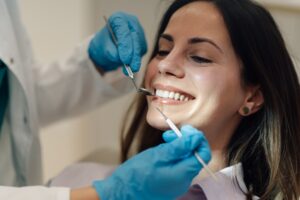

Porcelain veneers are thin, custom-made shells that cover the front of teeth to change their color, shape, or size. This quick guide explains what porcelain veneers are, who they help, how the process works, and what to expect for care and costs. Read on for clear, practical info so you can decide if porcelain veneers are right for your smile.
What Are Porcelain Veneers?
Porcelain veneers are thin pieces of ceramic bonded to the front of teeth. They mimic natural enamel in shine and strength. Unlike composite veneers, which are applied directly and sculpted by the dentist, porcelain veneers are made in a lab or in-office mill for a more durable, stain-resistant finish. Crowns cover the whole tooth; porcelain veneers only cover the front surface.
Who Is A Good Candidate For Porcelain Veneers?
Good candidates have healthy gums and teeth with issues like deep stains, chips, small gaps, worn edges, or mild misalignment. Veneers work best when decay and gum disease are treated first. Patients who grind heavily or have very short teeth may need other treatments or a night guard after veneers are bonded.
Step-by-Step: The Porcelain Veneers Process
Consultation and planning
At the first visit, your dentist will examine your mouth, take photos, and discuss goals. Expect shade selection and a plan for how many teeth will be veneered. Digital photos and mock-ups help you see the likely result.
Tooth preparation and impressions
A small amount of enamel is usually removed to make room for the veneer. Your dentist will take digital scans or impressions. Temporary veneers may be placed while the final pieces are made.
Fabrication and bonding
Final porcelain veneers are made in a lab or with in-office milling. The dentist checks fit, color, and bite before permanently bonding the veneers with strong dental cement. Porcelain veneers by Newton, MA labs or offices are matched to your natural teeth for a seamless look.
How Porcelain Veneers Improve Your Smile
Cosmetically, veneers correct tooth color, shape, and symmetry. They close small gaps and create an even smile line. Functionally, veneers give smoother surfaces that resist staining and can improve minor bite issues. Well-made porcelain veneers look natural and last for years with proper care.
Risks, Longevity, and Aftercare
Veneers can cause short-term sensitivity and are not reversible because enamel is removed. They may chip if you bite hard objects. Porcelain veneers typically last 10–15 years or more with good hygiene. Brush twice daily, floss, and consider a night guard if you grind your teeth.
Alternatives To Porcelain Veneers
Teeth whitening treats stains but won’t change shape. Dental bonding is less expensive but stains sooner. Clear aligners like SureSmile or Invisalign fix misalignment, sometimes eliminating the need for veneers. Crowns cover and protect badly damaged teeth when more structure is needed.
Costs, Insurance, and Financing Options
Cost depends on number of teeth, lab fees, and whether extra work (like gum treatment) is needed. Cosmetic treatments are often limited in dental insurance. Financing plans, payment plans, or third-party lenders can make porcelain veneers by Newton, MA more affordable.
Porcelain Veneers By Newton, MA: Why Choose The Dental Specialists
The Dental Specialists in Newton, MA offer advanced cosmetic care with board-certified prosthodontic oversight by Dr. Noah Orenstein. The office uses CEREC and in-house fabrication for precise results, plus clear-aligner options like SureSmile and Invisalign when alignment is part of the plan. Financing is available to help patients get predictable, high-quality outcomes.
Next Steps: Is Porcelain Veneers Right For You?
To learn if porcelain veneers by Newton, MA suit your goals, book a consult and bring recent x-rays if you have them. A short exam and photos will clarify options. Contact the office to request a consultation and get answers tailored to your smile.