
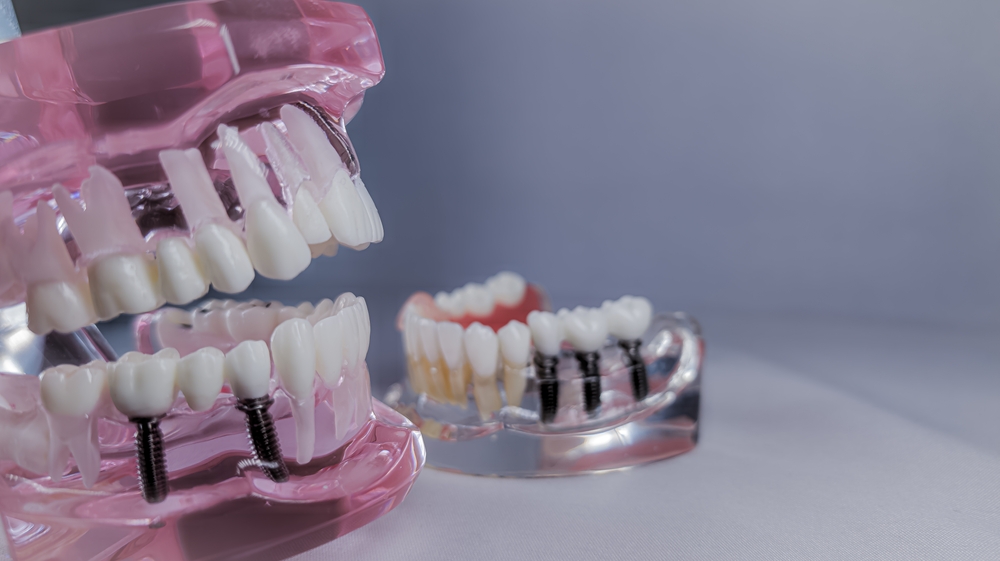
Knowing the steps of the teeth implants process helps you feel prepared and less anxious. This guide walks through each phase—from the initial consultation to the final crown—so you know what to expect, how long healing takes, what risks exist, and how to plan for cost and care. Read on to get a clear, practical view of the timeline and choices that affect your outcome.
Understanding the teeth implants process
Dental implants are titanium posts placed in the jaw to replace missing tooth roots. They support crowns, bridges, or full-arch restorations to restore chewing, speech, and appearance. Implants preserve jawbone by stimulating bone where teeth are missing, and they often look and feel more natural than dentures.
Initial consultation and treatment planning
Medical and dental evaluation
Your dentist reviews medical history, medications, and any conditions like diabetes or smoking that affect healing. A thorough dental exam checks gum health, remaining teeth, and bite. Good overall health and controlled chronic conditions improve implant success.
Imaging and digital planning
3D CBCT scans and digital impressions map bone volume and nearby nerves. This imaging lets the team plan exact implant size and position, reducing surprises during surgery. Many practices use digital planning to improve precision and predictability.
Preparation: extractions, bone grafts, and soft-tissue care
If a tooth must be removed, your dentist may extract it and either place an implant immediately or wait. Bone grafts add volume when jawbone has shrunk; grafts can add months to the timeline. Gum procedures may be needed to shape tissue for a natural-looking result.
Implant placement surgery: step-by-step
What happens during the appointment
You’ll get local anesthesia, and often sedation if desired. The surgeon places the titanium post into the jaw bone through a small incision. The procedure typically takes under an hour for a single implant. After surgery, swelling and mild discomfort are common and managed with medication and rest.
Single vs staged approaches
Some cases use immediate placement and temporary crowns the same day; others use a staged approach that waits for bone healing before placing an abutment or crown. Staged treatment can be safer when infection or low bone volume is present.
Healing and osseointegration: timeline and home care
Osseointegration—when bone bonds to the implant—usually takes 3–6 months. Follow-up visits check healing and remove sutures if needed. During healing, eat soft foods, avoid smoking, and maintain gentle oral hygiene. Signs of good healing include diminishing pain and firm gum tissue around the implant.
Abutment and final crown: completing the teeth implants process
Once integrated, an abutment connects the implant to the crown. Digital scans capture the bite and tooth shape for the final restoration. Some offices offer same-day CEREC crowns; lab-made crowns may be used for complex cases to ensure color and fit.
Risks, complications, and how they’re managed
Common issues include infection, peri-implantitis (gum disease around implants), and rare implant failure. Warning signs are persistent pain, swelling, or loose restorations. Early care—antibiotics, cleaning, or minor surgery—can usually resolve problems if caught early.
Costs, insurance, and financing for the teeth implants process
Costs, insurance, and financing vary by number of implants, need for grafts, and type of crown. Insurance may cover parts of the process but often not the full cost. Many practices offer financing or payment plans to spread expenses and make treatment accessible.
Why choose a prosthodontist for the teeth implants process
A prosthodontist like Dr. Noah Orenstein has advanced training in implant placement and restorative design, improving aesthetic and functional outcomes. Specialist care helps when cases need complex planning or full-mouth rehabilitation.
About The Dental Specialists — Newton, MA
The Dental Specialists in Newton, MA offers in-house crown fabrication, CEREC same-day crowns, digital scanning, and financing to speed treatment and improve fit. The office at 271 Auburn Street, Newton, MA 02466, coordinates care with clear communication. Call to request a consultation and discuss your teeth implants process in Newton, MA. If you’re considering implants, schedule a consultation to review your health, timeline, and personalized plan.